The Healing Layers: Styling as an Anchor for Navigating Change
Written by Rehma Mirza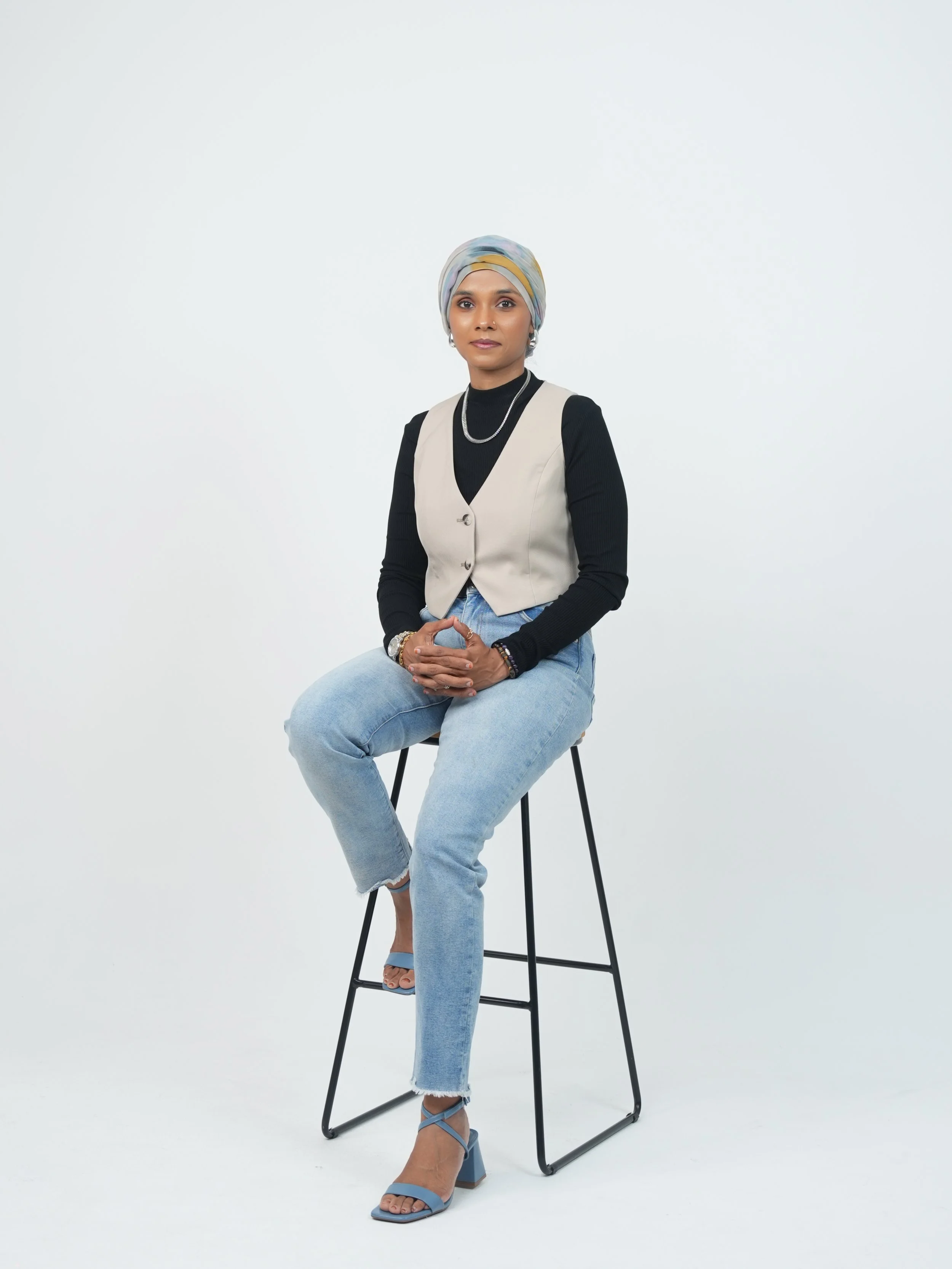
Rehma Mirza, Sustainable Style Consultant. (Image courtesy of author)
In my quietest season—the one where I felt the least seen—I discovered that what I wore could speak for me when words failed.
In a world where style is often loud and performative, I found solace in the quiet confidence of modest dressing. Since childhood, I’ve been a creative soul—drawn to painting, fabric, poetry and pottery. I saw emotional truth in every piece of art and the grounding humanity in those around me. But I was also raised with a litany of insecurities. Unkind comments about my appearance and skin tone often made me feel I didn’t belong in the world of style. Over time, my self-confidence faded, and the idea of wearing something expressive or bold became out of reach. Bright colors, fitted silhouettes—even the joy of accessorizing—felt unattainable.
In 2022, during one of the darkest periods of my life battling major depression, we moved to Dubai. One day, my husband gifted me a professional styling makeover—a gesture of love and hope. I had always struggled with hijab styling and often felt lost about what aligned with me. And in a fast-paced, multicultural city like Dubai, it’s easy to feel out of place. But that makeover shifted something deep within me. It didn’t just redefine how I looked, it reconnected me to a sense of worth I had long abandoned. Beyond therapy, the simple act of giving myself time to dress with purpose began to heal me.
People around me noticed the change. Compliments turned into curious questions. Styling became a conversation. I took that as a sign and pursued certification in styling. But I didn’t want my transformation to remain superficial. I wanted to bridge the gap between personal style and mental health. Because what I had experienced wasn’t just a makeover—it was a personal awakening.
Today, I’m proud to be the first in the GCC (Gulf Cooperation Council) to lead workshops that directly link mental wellness with styling. At the heart of my work as a sustainable style consultant is self-awareness. I help individuals reconnect with their personal style—not by chasing trends, but by rediscovering the confidence they thought they had lost. We get creative with existing wardrobes, identify meaningful gaps and invest only where it truly adds value. Styling, for me and my clients, becomes less about consumption and more about curation with purpose.
And sustainability? It’s not just about eco-friendly fabrics. It’s about respecting the planet, the labour behind each garment and the emotional energy we place in what we wear. I often speak to my clients about this as a part of their journey. How we dress impacts more than just ourselves. It influences perception, energy and the way we relate to the world around us. It’s about healing inwardly while making outward choices that reflect intention.
When done with presence, styling becomes a path to self-connection. For women navigating transitions—motherhood, career shifts, or quiet personal battles—getting dressed is more than a routine. It’s a silent act of self-reclamation. The colors we wear, the layers we wrap, the way fabric drapes, all echo the emotional terrain within us.
Life’s turning points carry invisible weight. In those times, we crave something steady. Styling became that grounding ritual for me. A soft scarf or supportive silhouette gave me stability when everything else felt uncertain. These were choices that brought me back to a version of myself I could trust.
I’ve had seasons where anxiety and disconnection consumed me, magnified by comments about my skin tone and appearance. I wish someone had told me then that feeling overwhelmed isn’t weakness and that healing can come in many forms. For me, styling was one of them. It gave me rhythm, presence and the gentle reminder that softness and strength can exist side by side.
The hijab, for many, is more than fabric—it’s identity, faith, and resilience. When seen not just as a covering but as a crown, it completes a look with intention and grace. It frames the face, anchors the outfit and becomes a canvas for self-expression. Whether styled in structured folds or soft drapes, the hijab transforms from a tradition to a statement of completeness and individuality.
As I deepened my understanding, I realized that knowing our body shape and proportions is an entry point to self-awareness. It helps us align how we dress with who we truly are, not who society says we should be. Styling, then, becomes an act of alignment. And from that alignment, confidence grows quietly and steadily.
Modest dressing doesn’t shout, but it speaks volumes. It honors emotional evolution, nuance and layered identity. Each garment, bold or understated, offers comfort, symbolism and presence. It allows us to show up, not in explanation, but with quiet clarity.
This journey isn’t mine alone. So many women I’ve worked with in personal style rediscovery sessions have shared stories of feeling unseen or unsure of how to show up during pivotal moments. Through postpartum, returning to work, or rebuilding after loss. These stories run deep. For them, as for me, styling became more than clothing. It became a tool for healing and self-recognition.
As a sustainable stylist, I guide women and men to understand their body shapes, energy signatures, and color palettes. We work with what they already own, reimagining prints, textures and colors in new combinations. The most surprising part? These new looks are created entirely from their existing wardrobe. It’s not about reinvention. It’s about reclamation. It’s about helping each person express their story through silhouettes, textures, and tones that honor who they are.
In my workshops held within government organizations, financial institutions, and wellness spaces, I witness a quiet transformation. A woman experimenting with colors she once avoided. Someone finally trying a hijab style they hesitated over. That moment of self-approval in the mirror when styling becomes an act of alignment.
One of my clients, after attending my “Veil and Vision” hijab styling workshop, told me, “For the first time in years, I feel seen in what I wear. My daughter loves watching me experiment with new hijab styles.” That stayed with me. For her, and so many others, styling isn’t about creating an image, it’s about coming home to selfhood.
Tiny choices like a forgiving silhouette, a grounding shade, a fabric that breathes, carry immense power. These gestures whisper: I am here. I am showing up. I honor where I am. Mindful dressing doesn’t ask for perfection. It asks for presence. It offers space for a daily check-in: What do I need today to feel more like myself?
Styling is often left out of healing conversations. But for many of us, it becomes a gentle path back, not a performance, but a ritual of wholeness. When we begin to see styling as soft architecture for the soul, we stop treating it as frivolous. We start to honor it as care—an act of will, a gesture of resilience, and repair.
The layers we choose: a soft scarf, a flowing abaya, a structured waistcoat, a wrap that comforts, become woven into our healing. Not because they change who we are, but because they remind us of who we’re becoming.
Maybe you’ve felt this too. Maybe you’re in that season now. If so, know this: You are not alone.
Style with intent—because every woman shines, every style speaks and modesty, at its core, is a mindset of presence and purpose.
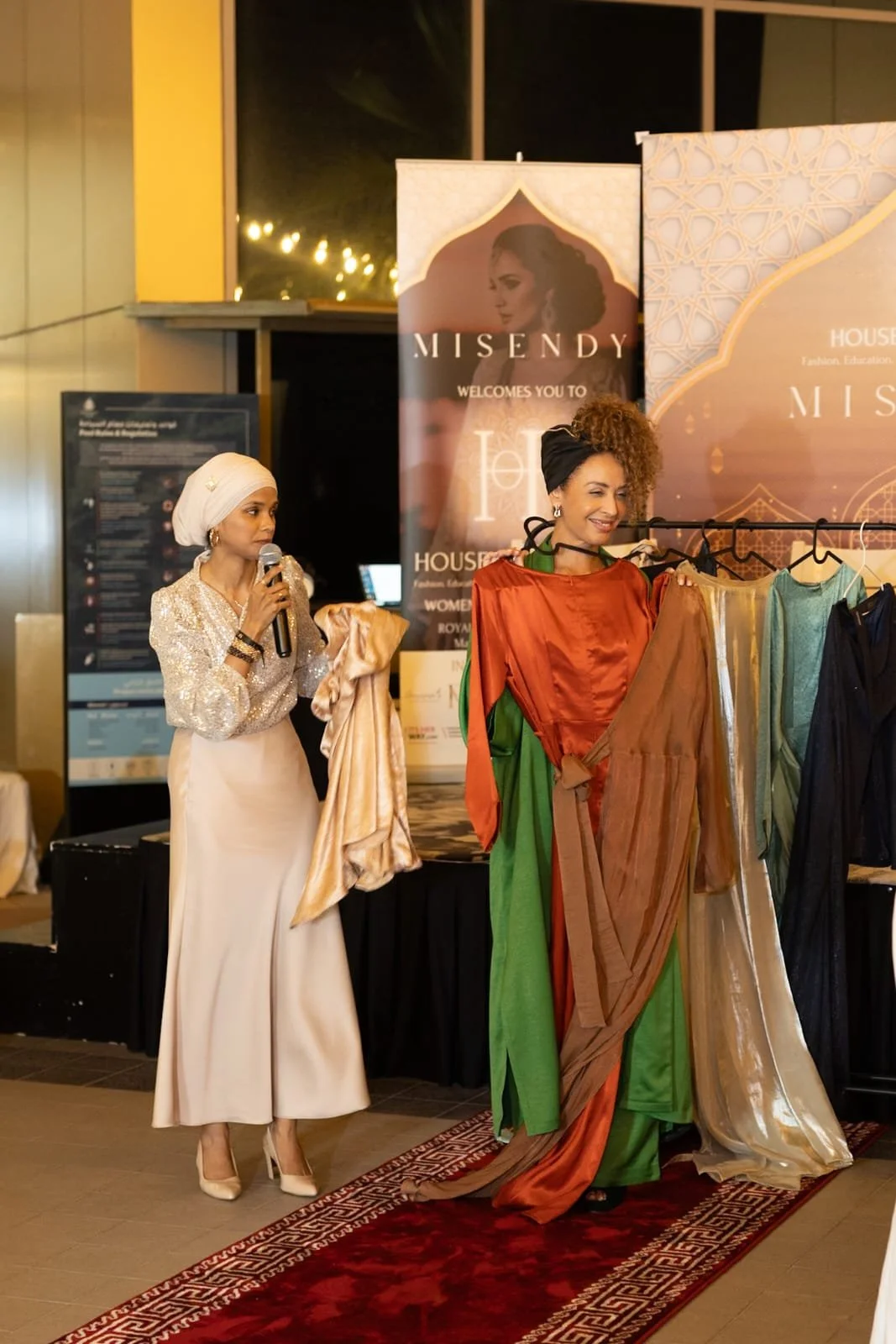
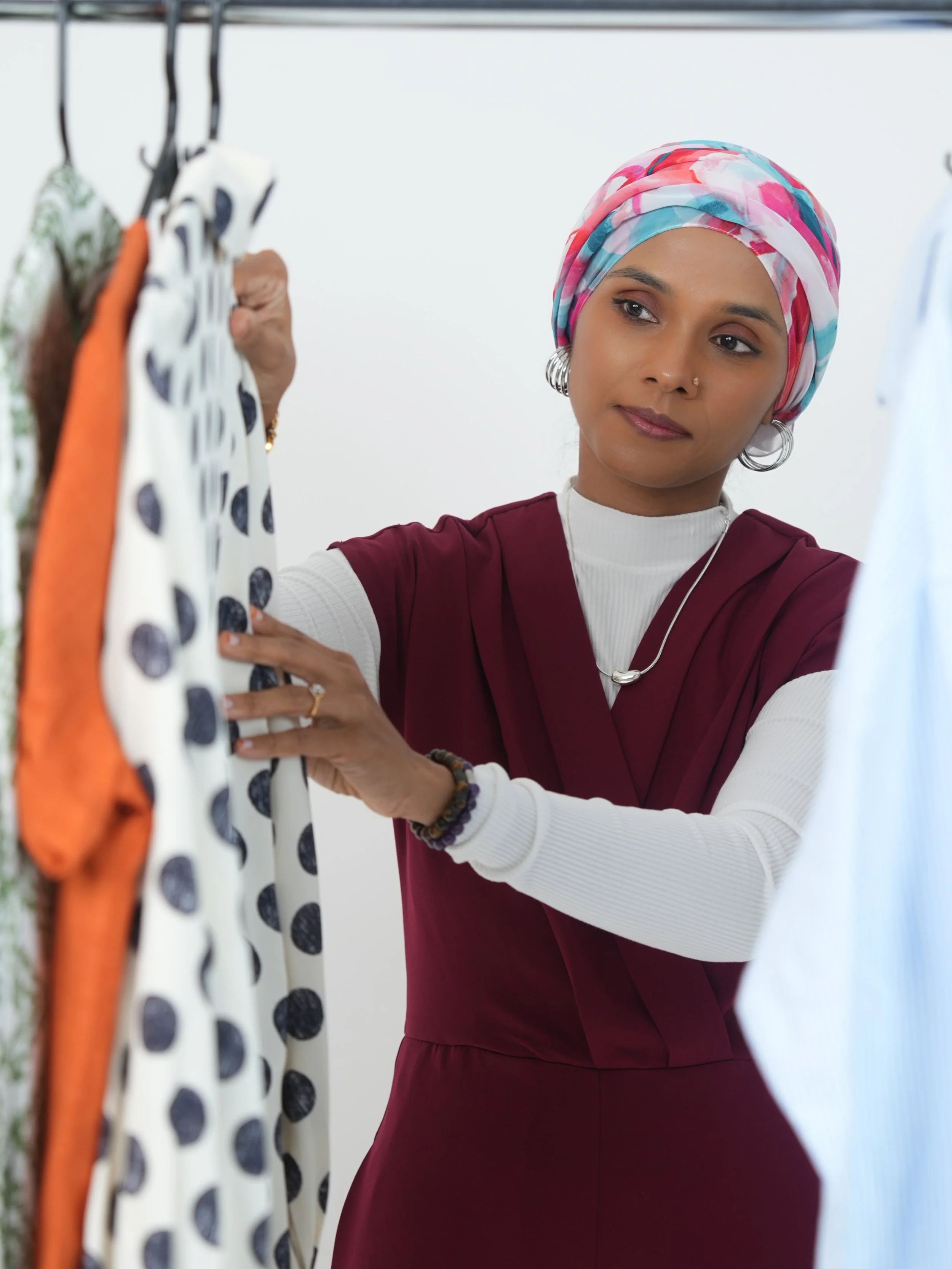
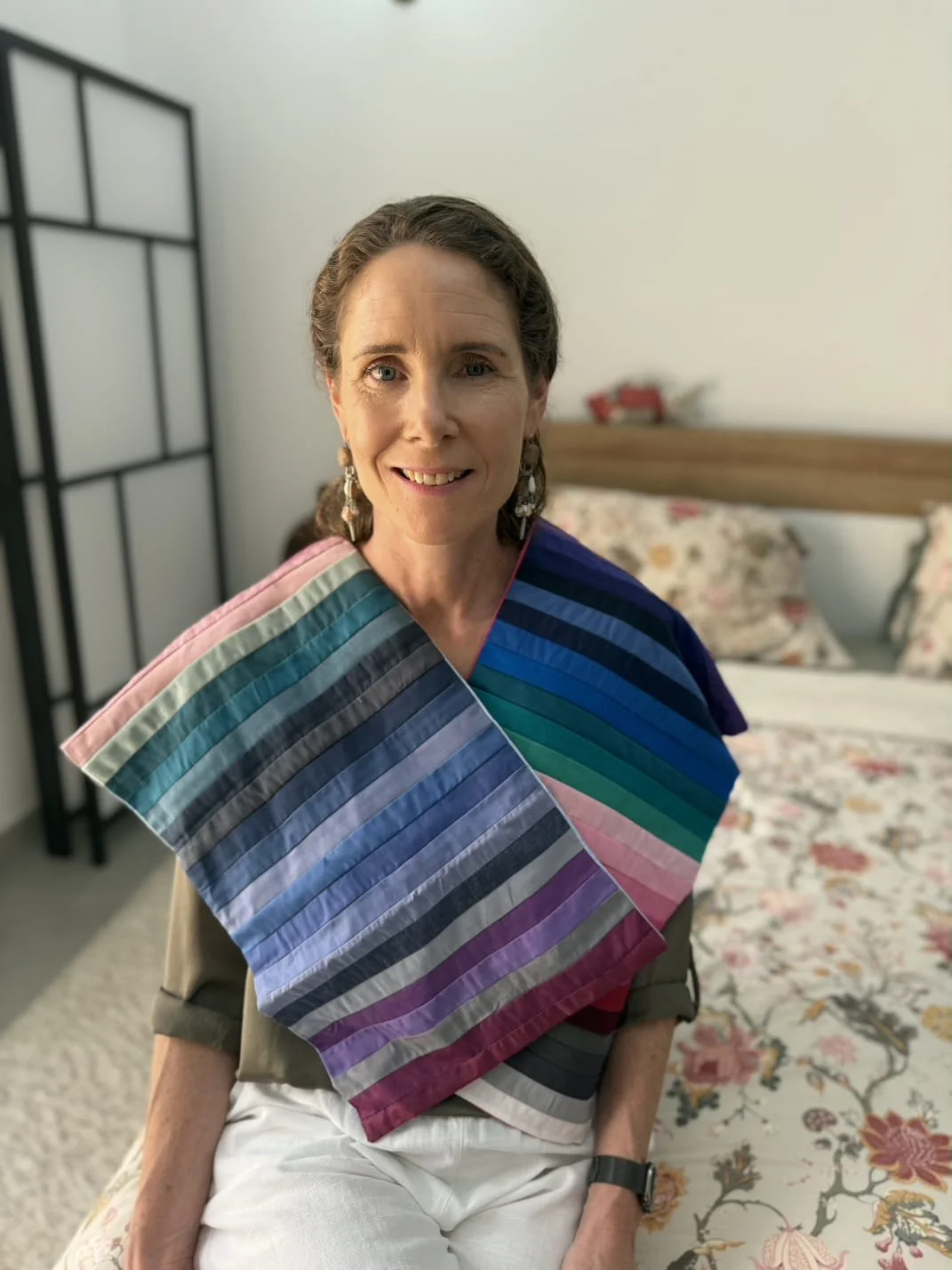
Left: Styling at Misendy Fashion Show. Middle: Mirza browsing clothing. Right: Client color analysis. (Images courtesy of author)
Rehma Mirza is a pioneering Sustainable Style Consultant and mental wellbeing advocate, credited with introducing the concept of styling awareness to the Gulf Cooperation Council. She is the creator of The Self-Investment System™, a distinctive methodology that bridges inner clarity with outer presence to cultivate confidence and self-respect. Through this system, Rehma empowers both individuals and organizations to build authentic, purpose-driven identities by integrating personal style with emotional wellbeing. As a sought-after consultant and speaker, she collaborates with leading institutions and corporations to deliver transformative programs that blend cultural values with mindful self-presentation—fueling personal growth and driving meaningful professional impact.