What Jellabiya’s Iftar Event Made Me Realize About Modesty
Written by Hawá Patel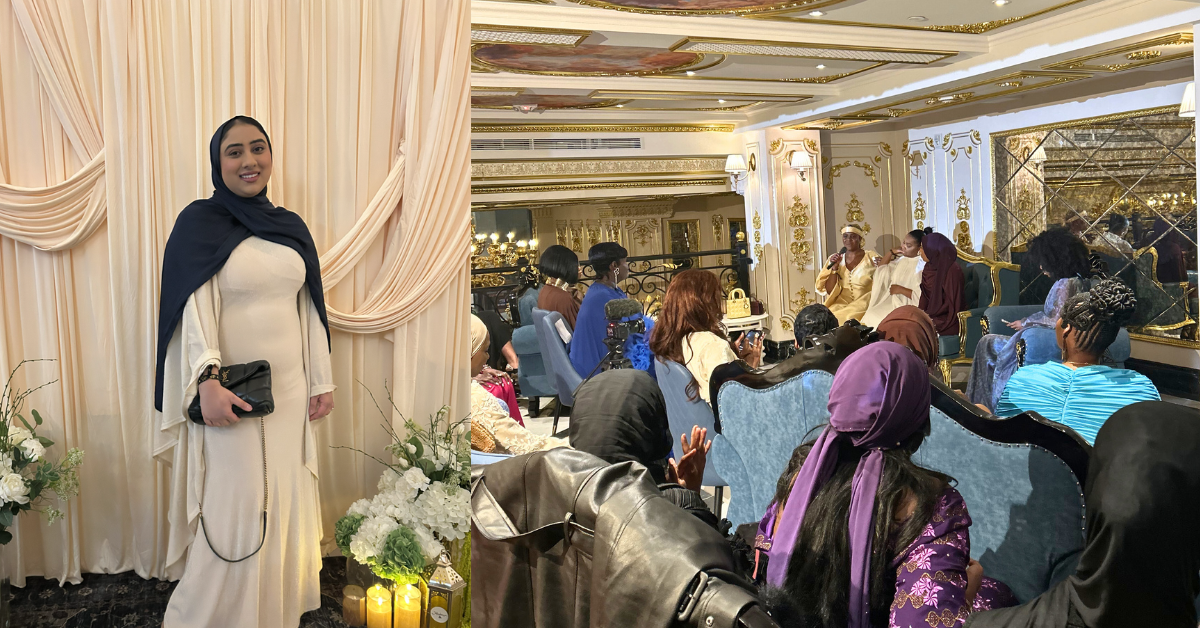
Hawa Patel at Jellabiya’s Iftar in NYC. Photos courtesy of author.
For me, modesty has never been about just hemlines or a headscarf. As a sustainable fashion professional and an American-Pakistani-Indian Muslim, I see a “Western tint” on the most mainstream definition of modesty; a definition that centers on how one presents oneself in the public sphere and remains purely superficial.
The reality is more expansive. In a world that is fast, trend-driven, and relentlessly capitalistic, modesty is a counter-movement. It is a rebellion against a system crafted by the few in power who push a “buy, buy, buy” mindset without consideration of who, or what, is exploited.
A night of community in NYC
Recently, Jellabiya, a Black, Muslim, and woman-owned Senegalese luxury brand, hosted an iftar in New York City. The evening gathered the city’s well-dressed modest crowd to celebrate their new collection and a community flourishing in its collective power.
The event featured a marketplace of New York-based sustainable brands, a panel with industry leaders, and a fashion show debuting Jellabiya’s latest line.
I sat down with founder Khadijah Ndiaye and creative director Baba Diop to discuss the nitty-gritty of scaling an ethical business.
“Our design process starts with movement, joy, and real women,” Ndiaye explained. “Modesty for us is expressive, not restrictive and honors the consumer’s value. We play with proportion, color, and structure, then refine each silhouette to remain elegant and covered.”
In an economy where speed is often the only way to stay in business, Jellabiya rejects the rapid trend cycle. “Our production remains small-batch by design,” the duo noted. Opting for made-to-order pieces and limited runs ensures that Jellabiya can stay close to their standards of quality, fit, and their artisans. “Momentum comes from our community and consistency, rather than following fast trends,” they said.
The collection featured that night focused on the tactile: silk, organza, linen, structured cottons and textured weaves. When asked how they balance heritage with modernity, the answer was rooted in function: “We reinterpret traditional patterns by pairing heritage elements with modern fabrics. Every fabric is chosen not only for how it looks, but for how it functions on a real woman.”
This intentionality extended to the marketplace vendors, showcasing that the modest movement is a lifestyle not just a wardrobe. A couple that stood out:
Diambar Beauty: A Senegalese co-op that sources ingredients via Fair Trade. A portion of sales go to worker-held bank accounts, allowing artisans to choose how to spend funds on essentials like eye exams and winter blankets.
Modify Thrift:NYC’s first modest-centered secondhand shop. By offering everything from everyday pieces to luxury handbags, they allow the community to honor their values without breaking the bank, moving away from the fast-fashion loop.
The inner and outer dimensions of modesty
The evening’s panel further explored these themes. Joelle Cartier, VP of Brand Marketing and Strategy at BET Media Group, spoke on redefining success through community values. “We want to improve the lives of audiences,” she said, “and we do that by showing up for the community.” This sentiment was echoed by how the community showed up for each other that night and was a tangible reminder that when a brand centers its mission on people over product, the result is collective power.
The panel’s most resounding takeaway: When the external does not align with the inner, let it go. In the context of the modest movement, this gets to the heart of industry ethics. If a brand’s labor practices or environmental impact doesn’t mirror the values of compassion and justice, it has no place in a modest wardrobe.
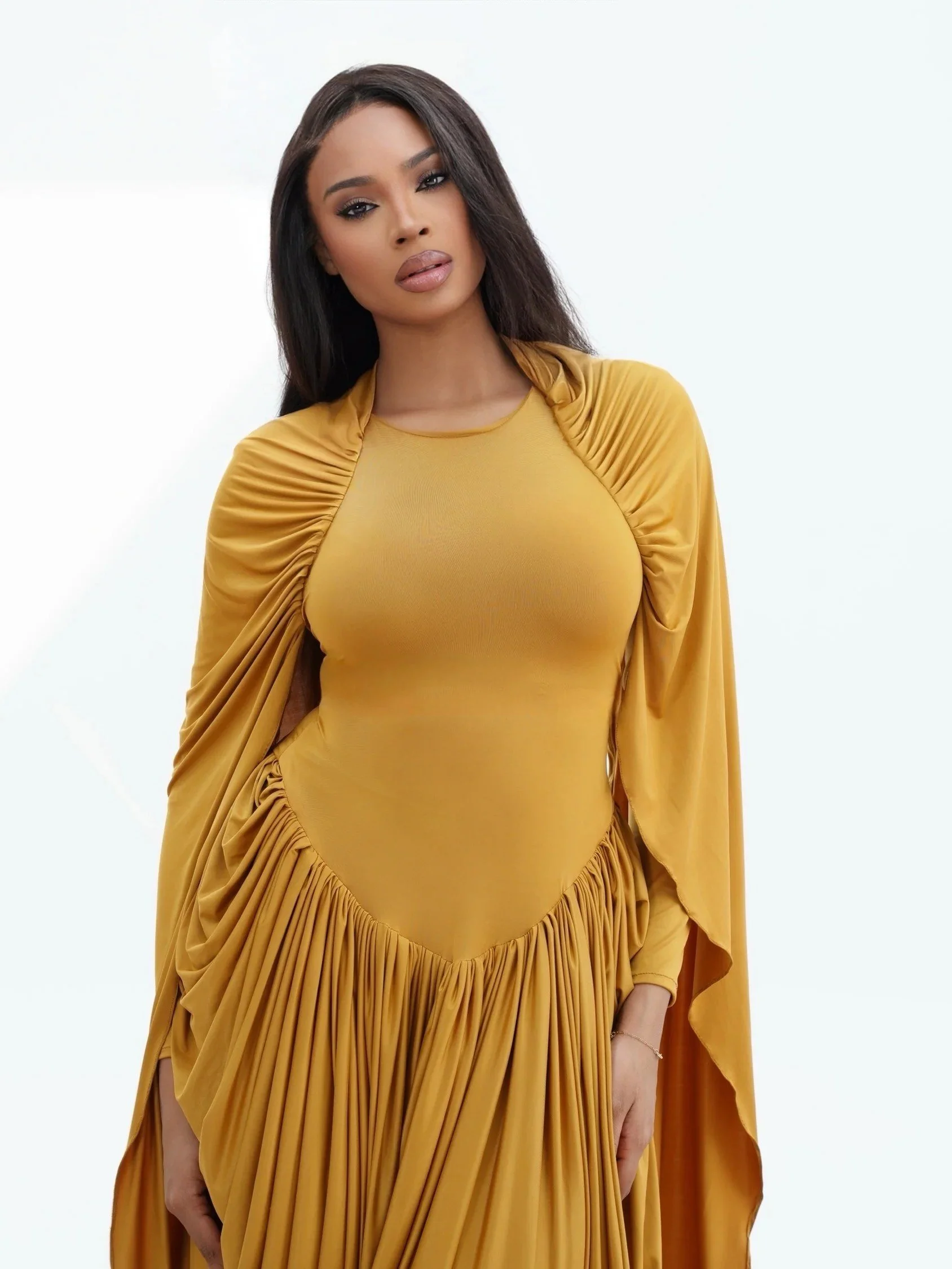
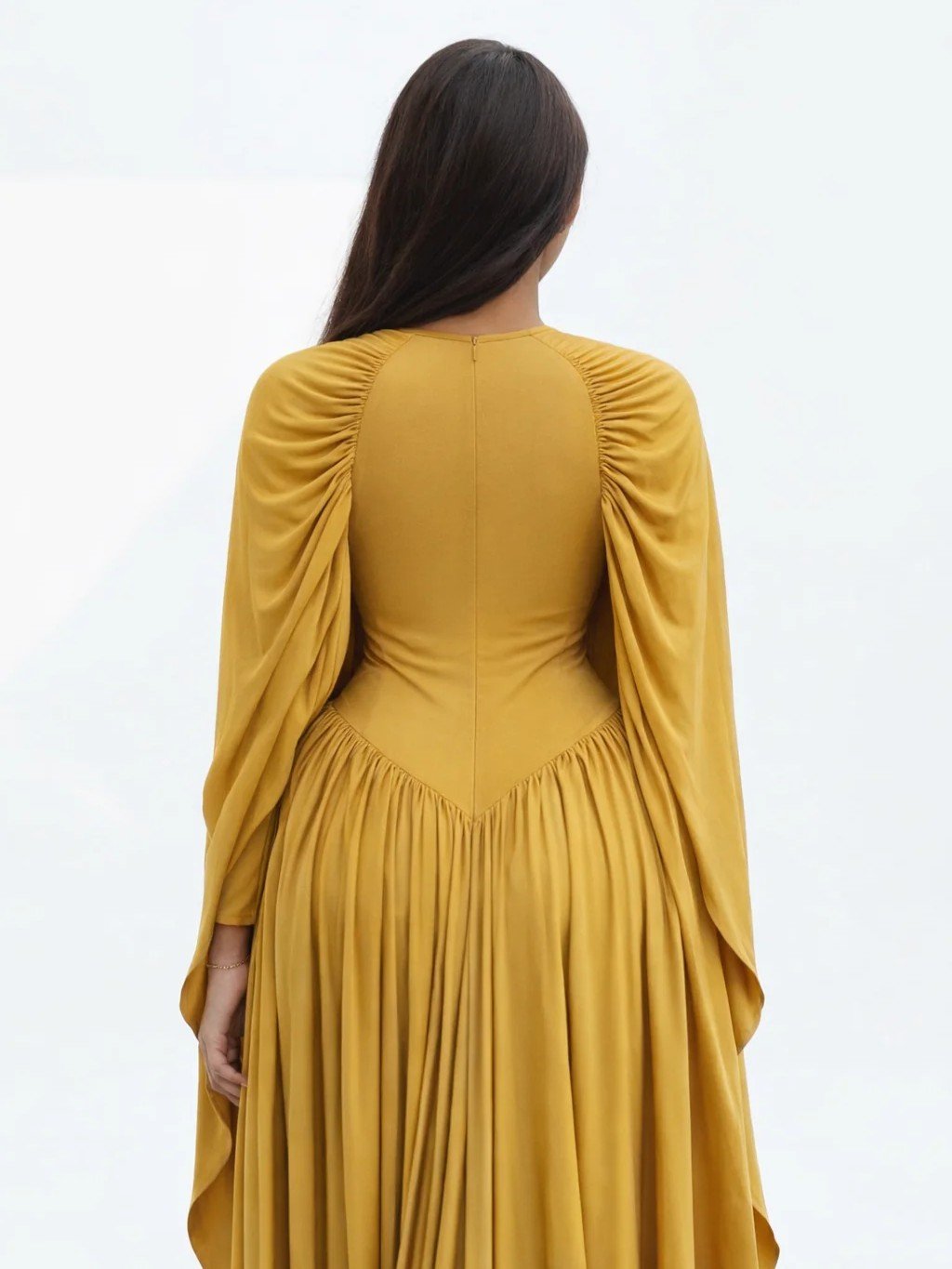
True modesty is the outward expression of an internal refusal to be complicit in exploitation. If the external world does not align with our inner values, then we must have the courage to walk away or create a better system.
The modest movement is a lifestyle that honors the self and ethics. It isn’t just about covering the body; it’s about buying secondhand to reduce waste, supporting local businesses, and refusing to participate in systems that do not align with your roots.
For me, modesty is my form of rebellion. As a human rights professional fighting for the rights of factory workers manufacturing products for the West, I see modesty as the act of creating a just and equitable society, one that wasn’t originally built for women or people of color.
So, I ask you: How are you using modesty to reflect your values?
Hawá Patel is a responsible sourcing professional working to end forced labor. Being a champion of human rights and ethical production, Hawá believes in a society which is equitable for all and she’s fighting for it through her career in social compliance and her advocacy for sustainable fashion. Hawá’s pastimes are searching high and low for the best vintage Prada and spending time with her nieces.